


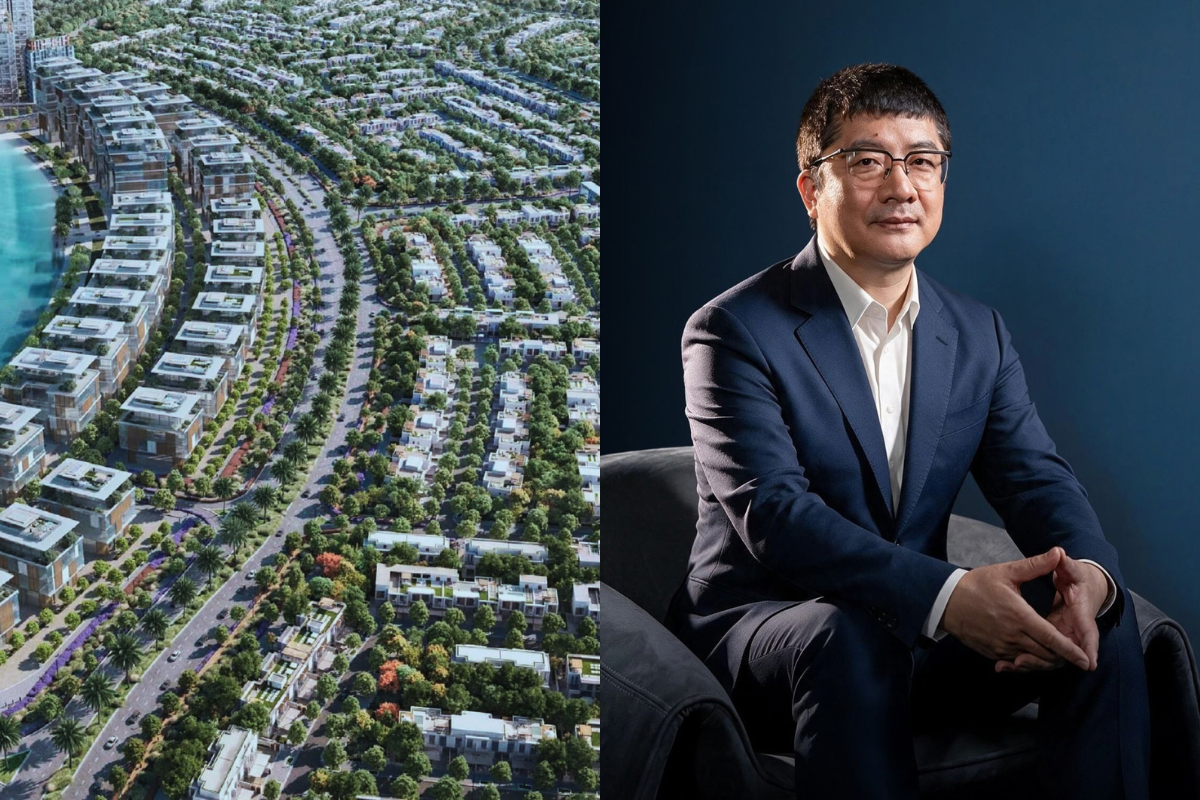
“The future of International City is not about trying to become another Downtown or DIFC,” Xu Ma clarifies. “Its strength is that it can develop its own identity.” Dubai has never been short of destinations that command attention. Downtown Dubai has its skyline, Palm Jumeirah has its waterfront prestige, and DIFC has established itself as one of the region’s most recognisable business addresses. But as the emirate continues to grow, developers are increasingly looking beyond the locations that have already made their names. One of those areas is International City. Originally conceived as an affordable, mixed-use community, International City has grown substantially since construction began in 2003. Its residential district comprises more than 22,000 homes across a series of country-themed precincts, while the wider area has developed a significant retail and trading ecosystem, most notably around Dragon Mart. For years, however, the perception of International City has been shaped primarily by its residential character and affordability. That picture is beginning to change as commercial development gathers momentum and businesses look more closely at where Dubai’s next concentrations of customers, employees, and economic activity will emerge. For Tomorrow World Properties, that shift is central to its decision to develop in the area, with Tomorrow Commercial Tower and Tomorrow Commercial Tower 2 located in Dubai International City, Phase 2. “We do not choose locations simply because they are already popular,” says Xu Ma, Founder and Chairman of Tomorrow World Properties. “We look for areas where we believe the fundamentals are strong and where the next stage of growth is already beginning to take shape. International City was one of those areas for us.” International City is surrounded by a substantial residential catchment and has evolved into a destination with more than housing. Dragon Mart, established in 2007, has become a major retail and trading hub, with Nakheel describing it as the world’s largest Chinese trading hub outside mainland China. That existing activity matters because commercial districts rarely emerge in isolation. Businesses need customers, employees, services, and connectivity. A large residential population can therefore provide an important foundation for offices, retail, professional services, and other forms of commercial activity. “International City already has something that many emerging destinations spend years trying to establish: a real community,” says Xu Ma. “There are tens of thousands of homes, established retail activity and a diverse population living and working in the surrounding area. For us, the opportunity is to add another layer to that ecosystem by creating modern commercial space.” The timing also reflects broader changes in Dubai’s office market. According to CBRE, Dubai office rents increased by 13% year-on-year in the second quarter of 2026, with prime rents rising by 16% and occupancy reaching approximately 94%. JLL, meanwhile, reported a 24.6% year-on-year increase in Dubai rental contract registrations during the same quarter, pointing to continued business activity and demand for commercial space. Much of the attention in Dubai’s office market naturally remains concentrated on established business districts. Yet rising occupancy and rents are also creating an opportunity for emerging commercial locations to offer businesses something different: access to established residential catchments, newer buildings and potentially more efficient space. This is where International City could begin to redefine its role. The opportunity is not necessarily to replicate DIFC or Business Bay. Rather, it is to develop a commercial identity that reflects the needs of businesses operating within and around one of Dubai’s sizeable residential communities. “The future of International City is not about trying to become another Downtown or DIFC,” Xu Ma clarifies. “Its strength is that it can develop its own identity. We see an opportunity to create commercial spaces that are contemporary, efficient and designed around the businesses that will actually use them.” The evolution is already visible in the changing mix of projects across International City Phase 2 and the wider Warsan area, where new residential and commercial developments are adding density and broadening the area’s appeal. For investors, it means gaining access to a district with room to evolve, rather than entering an overcrowded market. Dubai’s next commercial destinations may not always be the ones with the biggest skylines or the most recognisable addresses. They may be the communities where population growth, infrastructure, business activity, and new investment begin to intersect. “We believe strongly in developing in places where we can contribute to the next stage of their story,” Xu Ma says. “International City has that potential, and we want Tomorrow World Properties to be part of its transformation into a more diverse and dynamic destination for business and investment.”
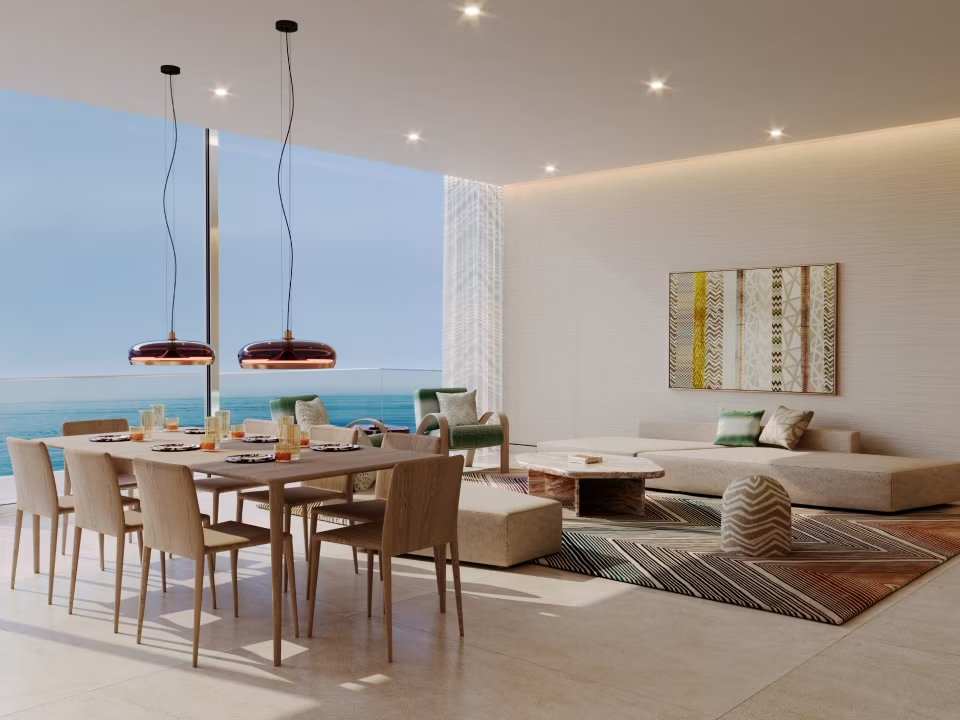
Tomorrow World Properties has partnered with Italian luxury brand Missoni for an upcoming Dubai development, combining vibrant urban living with retreat-inspired design. Homes will feature Missoni interiors, signature patterns, custom fixtures, and location-inspired colours. OCTA Properties will serve as the exclusive sales, marketing, and brand management partner for the project.
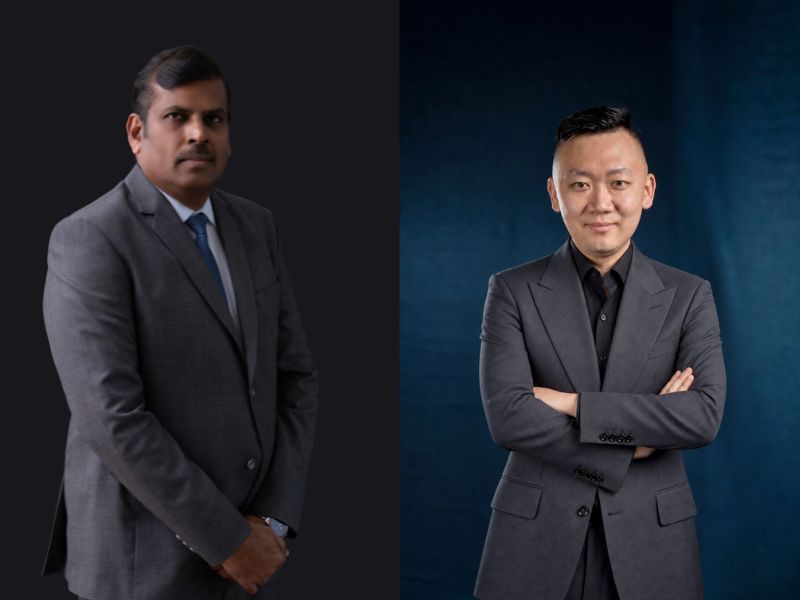
Real estate leaders Winston Klint and Zhou Yuan highlight preparation, teamwork, timely decision-making, fiscal discipline, continuous learning, and the ability to recognise market and policy changes early. They encourage young professionals to seek clarity, stay adaptable, understand structural shifts, and act confidently when opportunities emerge in Dubai’s evolving real estate sector.
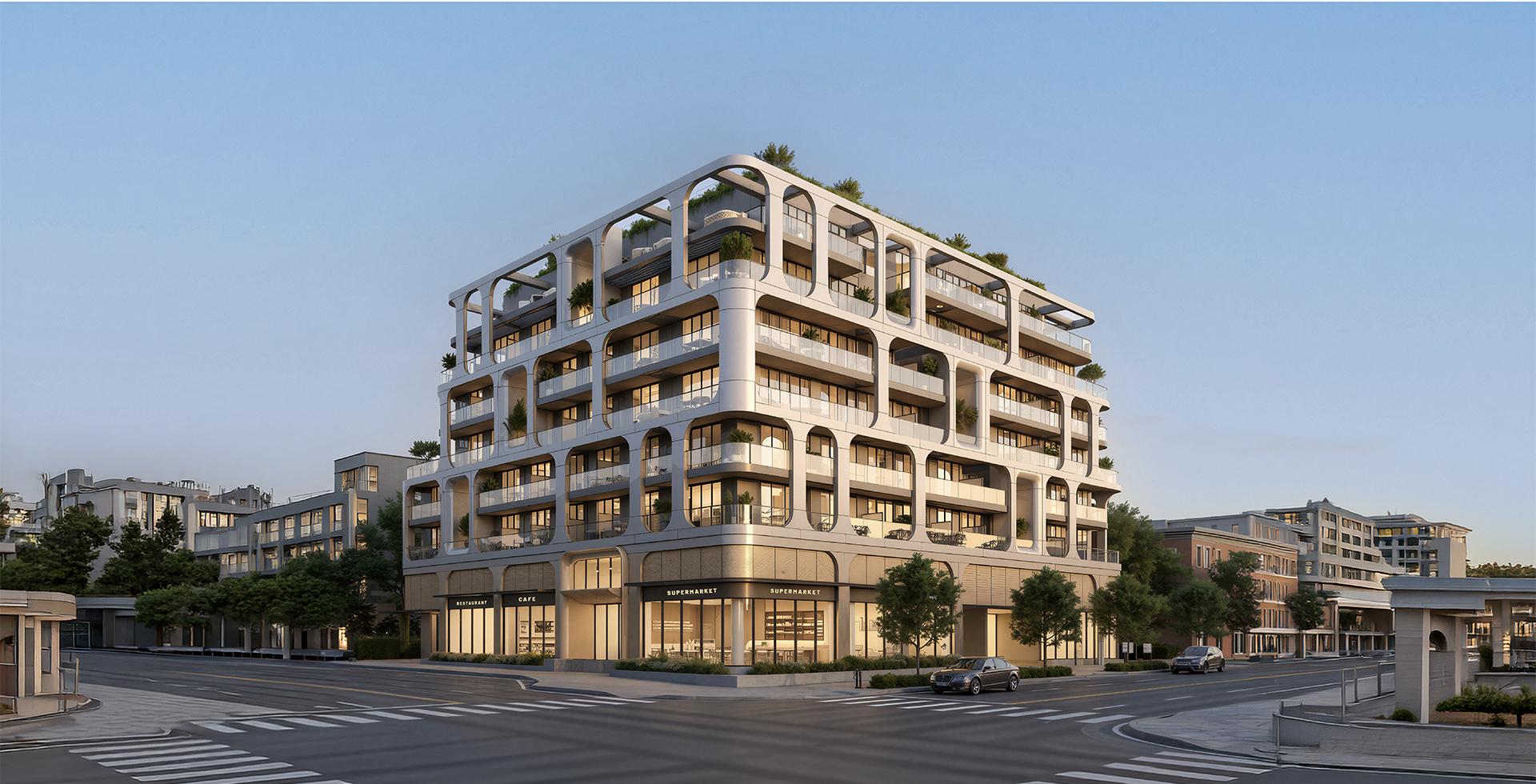
Construction Week’s Top 100 Real Estate Developers list highlights leading property companies across the GCC, recognising their influence, project portfolios and contribution to the region’s rapidly evolving real estate sector. The list is compiled using publicly available information and is presented as a selection rather than a formal ranking.
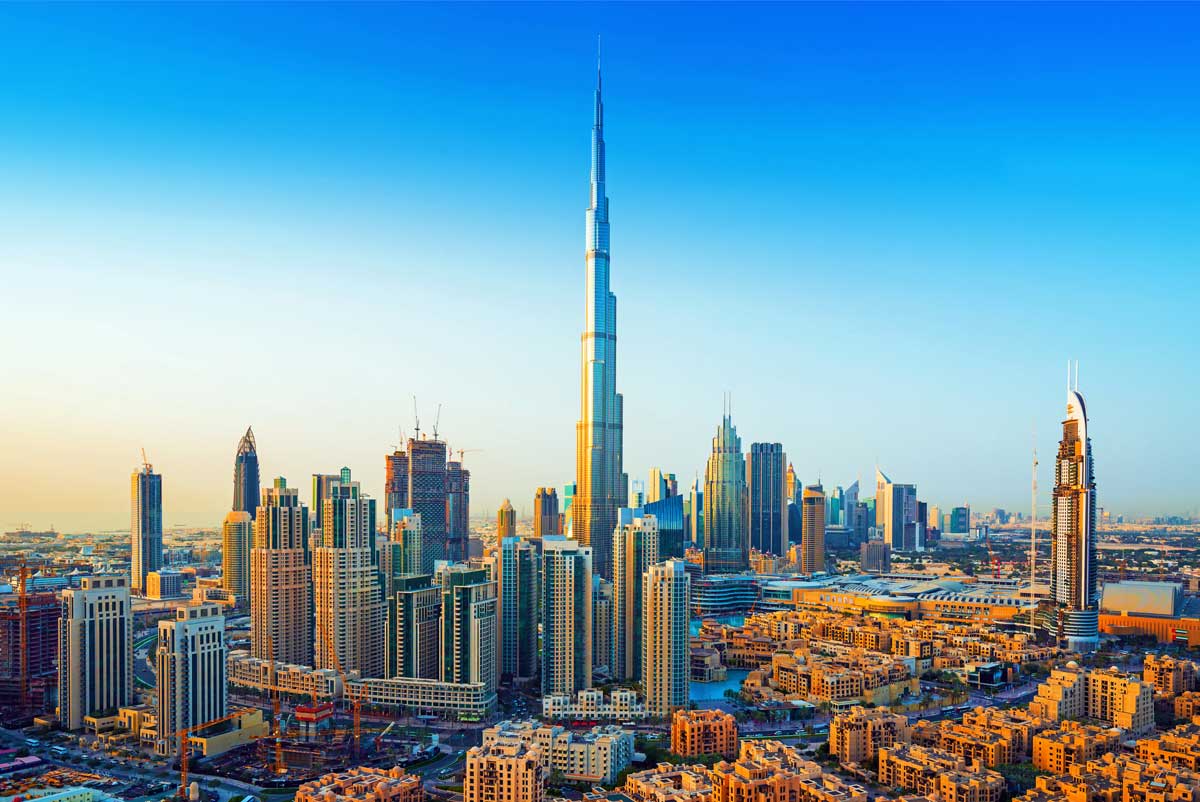
UAE real estate leaders advise young professionals to think beyond short-term sales and focus on long-term value. Key lessons include understanding the full development lifecycle, designing around people, protecting reputation through reliable delivery, building multidisciplinary teams, and planning for future communities. Sustainable growth depends on discipline, thoughtful design, credibility, and investor-focused decisions.