The Numbers Behind the Shift
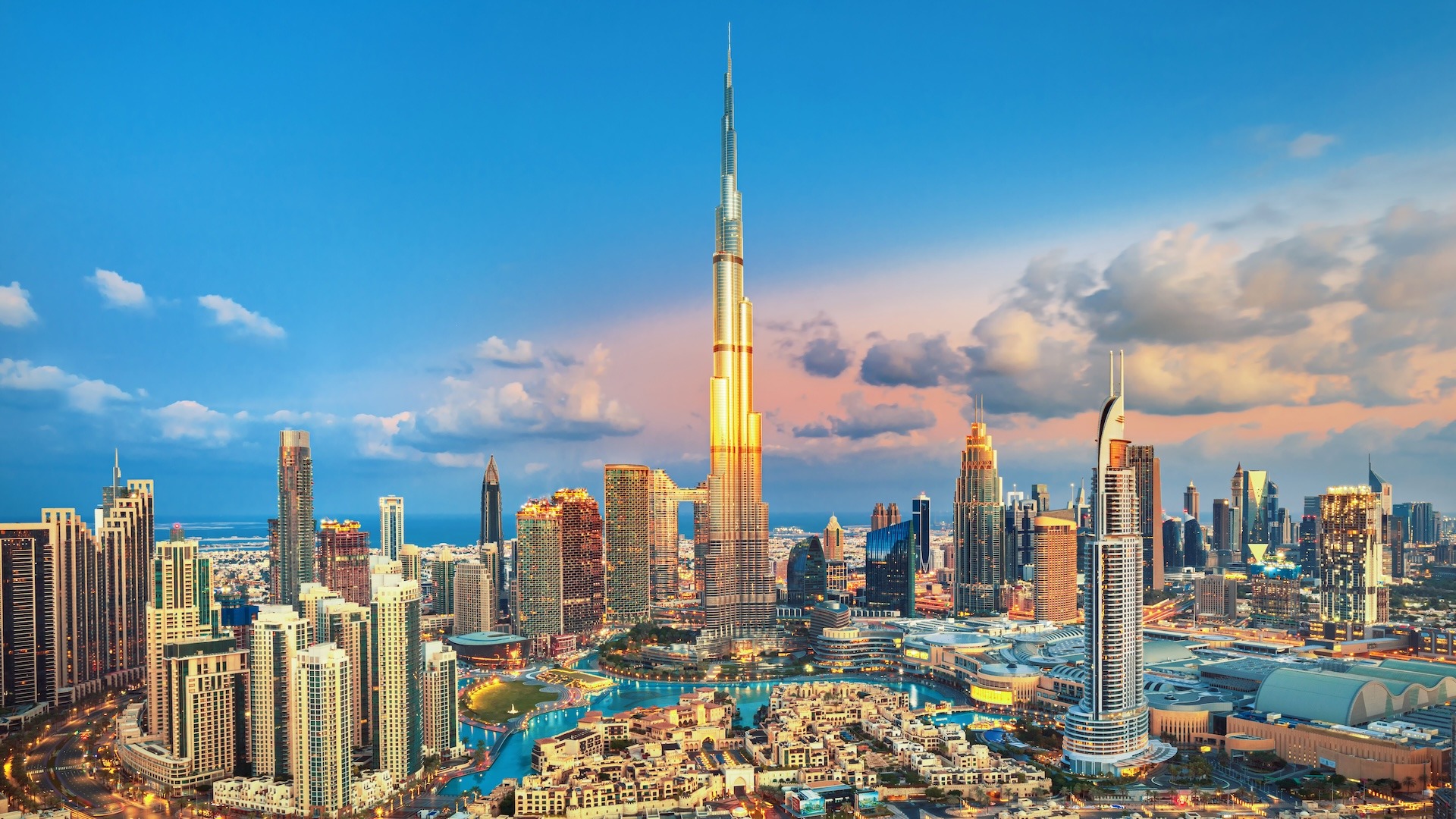
The scale of activity makes this story significant. According to the Dubai Land Department, the emirate recorded AED 252 billion in real estate transactions in Q1 2026, a 31 percent year-on-year increase in value. Furthermore, the number of new investors rose 14 percent in the same period.
Sustained confidence in the Dubai residential property market is clear. However, with that many buyers entering the market simultaneously, developers can no longer differentiate on location alone. The competition has moved to a different field. Lifestyle real estate is where that competition is now being won or lost.
The data supports this direction at the national level too. The Global Wellness Institute estimates the UAE’s wellness real estate market reached approximately USD 14.6 billion in 2025, compared with USD 3.3 billion in 2017. That is more than a fourfold increase in under a decade. It shows how rapidly health-focused development has expanded across the country.
Wellness Means More Than a Gym
The definition of what counts as a wellness amenity has changed. A swimming pool and a fitness room no longer distinguish a project. Consequently, developers are rethinking what residential wellness actually looks like at the building level. Fitness studios, meditation gardens, cycling routes, biophilic design, and spaces designed specifically for rest and recovery are now part of the conversation in serious lifestyle real estate developments.
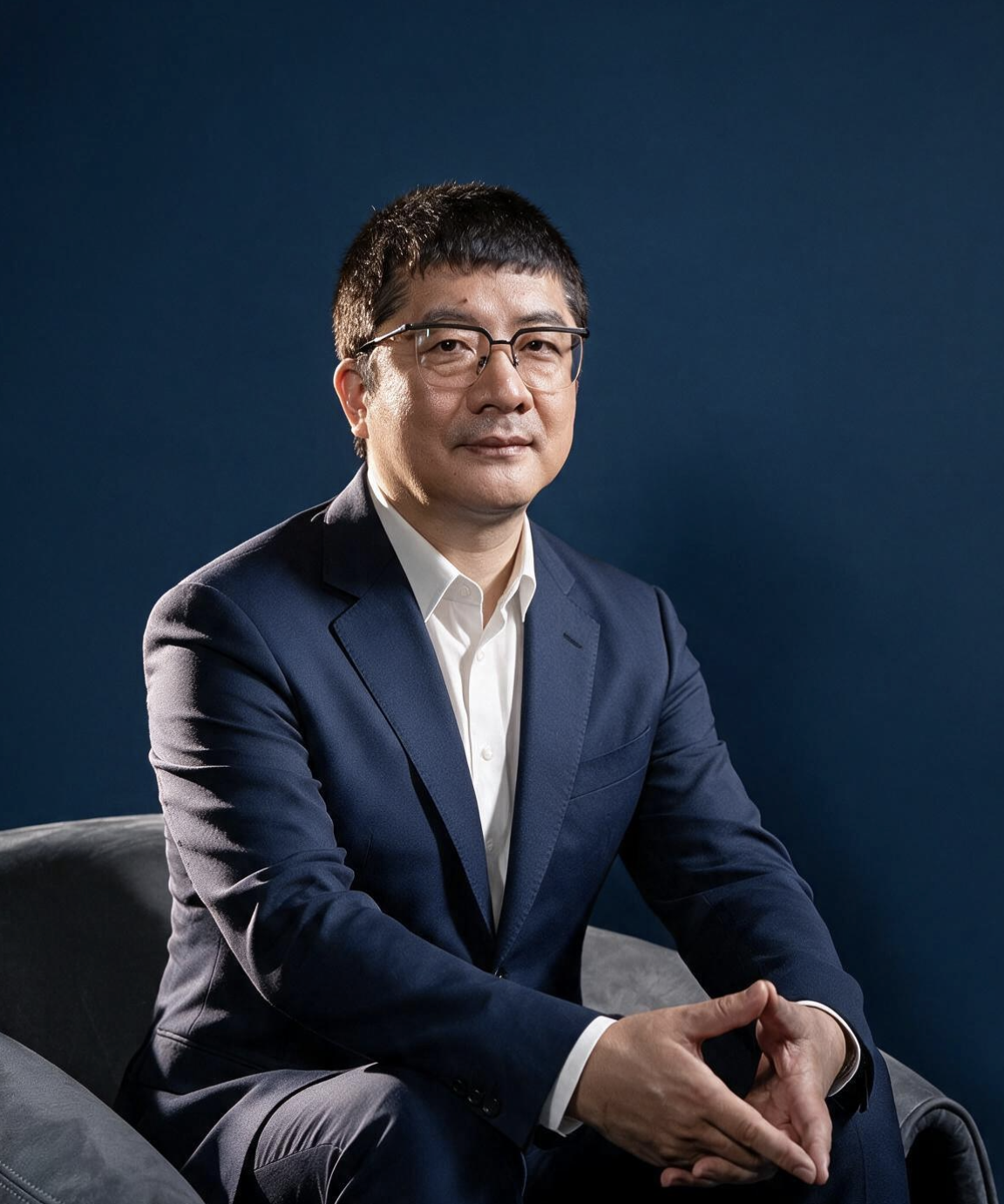
Xu Ma, Founder and Chairman at Tomorrow World Properties, put it plainly. “Wellness is no longer confined to a gym and swimming pool. As developers, it is our responsibility to create spaces that support physical and mental well-being rather than simply accommodate daily routines. Residential projects must respond to real needs for connection and tranquillity – incorporating amenities such as fitness studios, meditation gardens, cycling routes, biophilic design, and thoughtfully curated spaces to rest and recharge,” he said.
Some developers are taking this a step further by integrating nature directly into the building structure rather than keeping it at ground level. Ajay Rajendran, CEO of Meraki Developers, described the thinking behind their approach.
“We have seen growing demand for residences that integrate nature and well-being into the living experience. At Nirvana Residences I, for example, we introduced Nirvana Groves – elevated landscaped spaces woven into the building itself – to create opportunities for residents to reconnect with nature within a high-rise environment. Combined with nature-inspired interiors, abundant natural light and carefully considered ventilation, these seemingly small details make a meaningful difference to how people experience their homes. Buyers today increasingly value quality of life just as much as quality of design,” he added.
Community as a Design Priority
Beyond individual amenities, how a development is planned at the community level is increasingly influencing buyer decisions in Dubai residential property. Walkability matters. Green public spaces matter. Retail proximity, family-friendly infrastructure, and shared social spaces are all reshaping what buyers expect when they step outside their front door.
The goal has shifted. Developers are no longer trying to maximise density or views alone. They are trying to create environments where residents spend time rather than simply return at the end of the day. That distinction is significant. A home that draws residents out into communal areas, pedestrian pathways, courtyards, and shared social hubs is a home embedded in a functioning community. That experience is difficult to replicate and hard to leave.
Mixed-Use and the Long-Term View
The clearest example of lifestyle led development is the ongoing expansion of “mixed-use master communities.” The growth of these developments brings together residential, retail, education, leisure and wellness in one place.
Moreover, they lessen commuting times which is one of the most prevailing concerns about quality of life in Dubai. A neighborhood that is walkable offers a way of life that is different from one that isn’t.
This also has an impact on urban planning on a larger scale. Developers and planning authorities have come to the common understanding that community design affects the health and happiness of a community over the long term, and that this is more than just about property values. The two are coupled.
What This Means for Buyers
Location and price will always be part of the decision in Dubai residential property. But in this busy and competitive market, lifestyle has become the deciding factor for a shortlist to become a signature. Home buyers are looking for homes that complement their lifestyle, integrate with their neighbours and enrich their lives, not complicate them.
What is emerging as the new standard for residential value are the projects that are fulfilling Dubai’s vision of a growing residential sector.